Bad Breath That Keeps Returning: What to Check Before Buying Supplements
Bad breath keeps returning? Review common causes, oral-care checks, dental warning signs and what to verify before considering an oral supplement.
Independent affiliate publisher. Product claims and historical offer terms remain subject to verification.
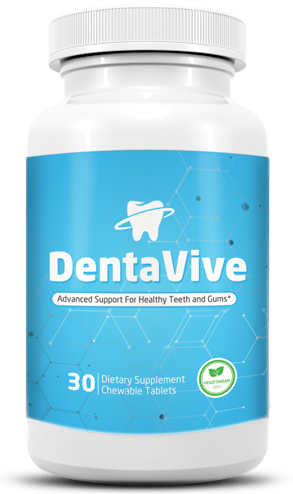
Important: This supplied offer image shows historical advertised prices, savings, bonuses, shipping and guarantee claims that have not been verified for the current seller. These details are not a current offer. Check the live checkout before ordering.

Images are illustrative of the archived promotion only. Check actual package availability and current terms with the seller ↗
Oral-Care Questions and Product Details
Visuals from the supplied DentaVive reference archive are provided for illustration, not as proof of clinical outcomes or current product specifications.
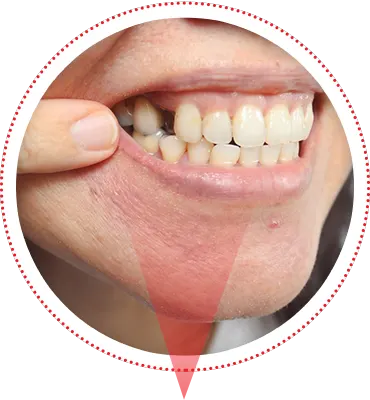
Identify the recurring pattern
Bad breath after strong-smelling food is different from an odor that returns despite brushing. If you notice a recurring pattern, the most useful first question is not “Which supplement should I buy?” but “What might be generating the odor?” Persistent bad breath, or halitosis, can originate in the mouth, where the tongue, teeth, gums and dental appliances all create places for food debris and microbes to accumulate. Dry mouth, smoking, certain dietary patterns and some medical conditions can also contribute. The NHS identifies dental problems, dry mouth, tonsillitis and acid reflux among possible causes; no single symptom confirms which explanation applies to you. [S1]
Think about when the concern appears. Morning odor may follow reduced saliva during sleep. A strong smell after particular meals may be temporary. An odor that continues alongside painful gums or toothache deserves an examination rather than another mint or supplement. Ask a trusted person for feedback if you cannot judge your own breath reliably; worry alone is not a diagnosis. Keep a brief private record of the timing, oral-care routine and associated symptoms instead of repeatedly buying products based on an isolated impression.
Is it food, cleaning, dry mouth, teeth, gums or something else?
| What you notice | Possible explanation, not a diagnosis | Sensible next step |
|---|---|---|
| Odor after garlic, onions or strong drinks | Recent food or beverage exposure | Assess after normal cleaning and time |
| Coating or debris on the tongue | Accumulated material on the tongue surface | Gently clean the tongue daily |
| Food trapped between teeth | Interdental areas may not be cleaned thoroughly | Use floss or interdental brushes |
| Sticky, unusually dry mouth | Reduced saliva may contribute to odor | Discuss medicines and dryness with a professional |
| Bleeding gums, dental pain or unstable teeth | Possible dental or gum disease | Arrange prompt dental evaluation |
| Odor despite sustained oral care | Dental or non-dental causes may remain | Ask a dentist to investigate |
These scenarios are decision aids, not home diagnostic tests. The NHS recommends speaking to a dentist if bad breath continues after several weeks of self-care, or when swollen or bleeding gums, toothache, loose adult teeth or denture problems are present. [S1] If a dentist excludes dental causes, they can advise whether medical follow-up is appropriate. Avoid substituting a supplement trial for an examination when there are warning signs.
Start with basic oral care, not a product promise
A simple, repeatable routine is a more reliable starting point than an unverified claim of a “microbiome reset.” Brush teeth and gums twice a day for about two minutes with fluoride toothpaste, gently clean the tongue once daily, and clean between teeth at least once a day. Dentures require dedicated cleaning. Keep regular dental appointments and ask a dentist or hygienist to demonstrate techniques suited to your mouth. The NHS also advises not rinsing away toothpaste with water immediately after brushing. [S1]
If dry mouth is an issue, consider whether dehydration, mouth breathing, medication or another condition might be involved. Do not stop prescribed medicines on your own; ask the prescribing clinician or dentist. Sugar-free gum may be useful for some people, but it cannot repair decay or replace treatment. Be careful with vigorous scraping or aggressive brushing: damaging the gums is not a sign that a routine is working.
If you use mouthwash, treat it as an adjunct. The American Dental Association distinguishes cosmetic rinses, which may temporarily mask odor, from therapeutic rinses containing ingredients intended to act on oral conditions. Rinsing is not a substitute for brushing and interdental cleaning. [S2] Where a dental issue exists, targeted professional care comes first.
When to contact a dental professional
Do not wait to finish a bottle of supplements before addressing persistent symptoms. A dental visit is warranted when odor remains after sustained self-care, gums are painful, swollen or bleed, teeth ache or feel loose, or dentures cause ongoing problems. These are reasons to check for a treatable underlying issue; they do not prove a particular disease. [S1]
A dentist may review gum health, tooth surfaces, fillings, appliances, hygiene and the tongue. Describe any changes in medication, eating patterns, smoking or oral dryness. If you experience severe swelling, trouble swallowing or other rapidly worsening symptoms, seek urgent professional advice rather than relying on an online checklist. An online article cannot inspect the mouth or establish a cause.
What does the research say about oral probiotics for odor?
Oral probiotics are being studied because specific microorganisms may interact with oral microbial communities. However, evidence for one bacterial strain does not automatically apply to all probiotics or finished supplements. A 2023 systematic review by Inchingolo and colleagues selected 12 human intervention studies across multiple dental topics. One trial investigated Weissella cibaria CMU tablets for eight weeks and reported changes in subjective halitosis and oral-health-related quality of life. Other studies examined very different strains, oral-health outcomes and populations. The review cautioned that the broader evidence remains insufficient for firm clinical conclusions. [S3]
A Cochrane review of halitosis interventions included 44 trials and found generally low- or very-low-certainty evidence; it could not identify a superior intervention. Many trials had short follow-up. [S4] This matters because a study measuring perceived odor is not identical to one measuring volatile sulfur compounds, and neither proves that a particular commercial formula resolves the cause of your recurring problem.
DentaVive's current strain list, serving instructions and finished-product clinical evidence must be independently verified before any product-specific effect is stated. An attractive package image or a testimonial cannot fill that evidence gap.
Important: This supplied offer image shows historical advertised prices, savings, bonuses, shipping and guarantee claims that have not been verified for the current seller. These details are not a current offer. Check the live checkout before ordering.
Images are illustrative of the archived promotion only. Check actual package availability and current terms with the seller ↗
Before-you-buy screening checklist
Use the following checks only after you have considered the likely source of the odor and any need for dental care:
- Define your goal: temporary fresh feeling, ongoing oral care or a clinically persistent issue are different needs.
- Read the current label: look for ingredients, strain identifiers if probiotics are advertised, dose and usage directions.
- Check the evidence match: was the exact strain, dose and outcome studied, and does the study concern this finished product?
- Confirm suitability: ask a clinician about supplements when you have significant illness, immune problems or complex medication use.
- Do not abandon effective care: brushing, interdental cleaning and dental assessment remain central.
- Confirm the seller: identify who will charge you and who handles customer service.
- Read current terms: prices, bundles, delivery, return limitations and refund windows must be checked at checkout.
- Set realistic expectations: do not interpret “supports oral wellness” as a guarantee to eliminate bad breath.
Affiliate disclosure and purchase decision: This independent site may receive compensation for qualifying purchases through its recommended link. Any decision to buy should follow the checks above; the current merchant offer and product label require verification.
Decision summary and frequently asked questions
If odor appears after certain meals and settles with usual cleaning, a new supplement may be unnecessary. If it persists, concentrate first on cleaning technique and professional dental evaluation. If you still wish to compare oral supplements, evaluate ingredients, evidence and transaction terms separately; do not mistake advertising for a diagnosis or an outcome guarantee.
Why do I still notice odor after brushing? Brushing may miss interdental debris or the tongue, and the cause could involve dry mouth, gums, teeth or a non-dental issue. Persistent odor merits dental assessment. [S1]
Could dry mouth be involved? Yes, it is one recognized possible cause. Ask a professional if the dryness continues, especially if medications or other symptoms may be involved. [S1]
How quickly should a probiotic work? There is no established universal timeline. Research interventions differ in strain and duration; no DentaVive-specific onset time has been authenticated. See the separate study-timeline guide.
Should I see a dentist before buying? If bad breath remains after a few weeks of appropriate self-care, or you have bleeding gums, tooth pain, loose teeth or denture problems, the NHS advises dental evaluation. [S1]
Next reading: Mouthwash versus an oral supplement, oral probiotic study timelines, and refund terms before checkout. Return to the oral-health decision homepage for product-navigation context.
Important: This supplied offer image shows historical advertised prices, savings, bonuses, shipping and guarantee claims that have not been verified for the current seller. These details are not a current offer. Check the live checkout before ordering.
Images are illustrative of the archived promotion only. Check actual package availability and current terms with the seller ↗
Sources and evidence boundaries
Research on particular probiotics does not establish the efficacy of the DentaVive finished product.
- S1 — NHS: Bad breath — Self-care, causes, referral signs
- S2 — American Dental Association: Mouthrinse (Mouthwash) — Cosmetic versus therapeutic, adjunct roles, precautions
- S3 — Inchingolo et al. 2023: The Benefits of Probiotics on Oral Health: Systematic Review — 12 studies, specific interventions, heterogeneous outcomes
- S4 — Cochrane 2019: Interventions for managing bad breath — 44 trials, low certainty and no established superior approach