Can Supplements Repair Tooth Enamel? Check the Claims
Understand enamel remineralization, cavity prevention and why oral supplement repair claims require product-specific proof.
Understand enamel remineralization, cavity prevention and why oral supplement repair claims require product-specific proof.
Important: This supplied offer image shows historical advertised prices, savings, bonuses, shipping and guarantee claims that have not been verified for the current seller. These details are not a current offer. Check the live checkout before ordering.
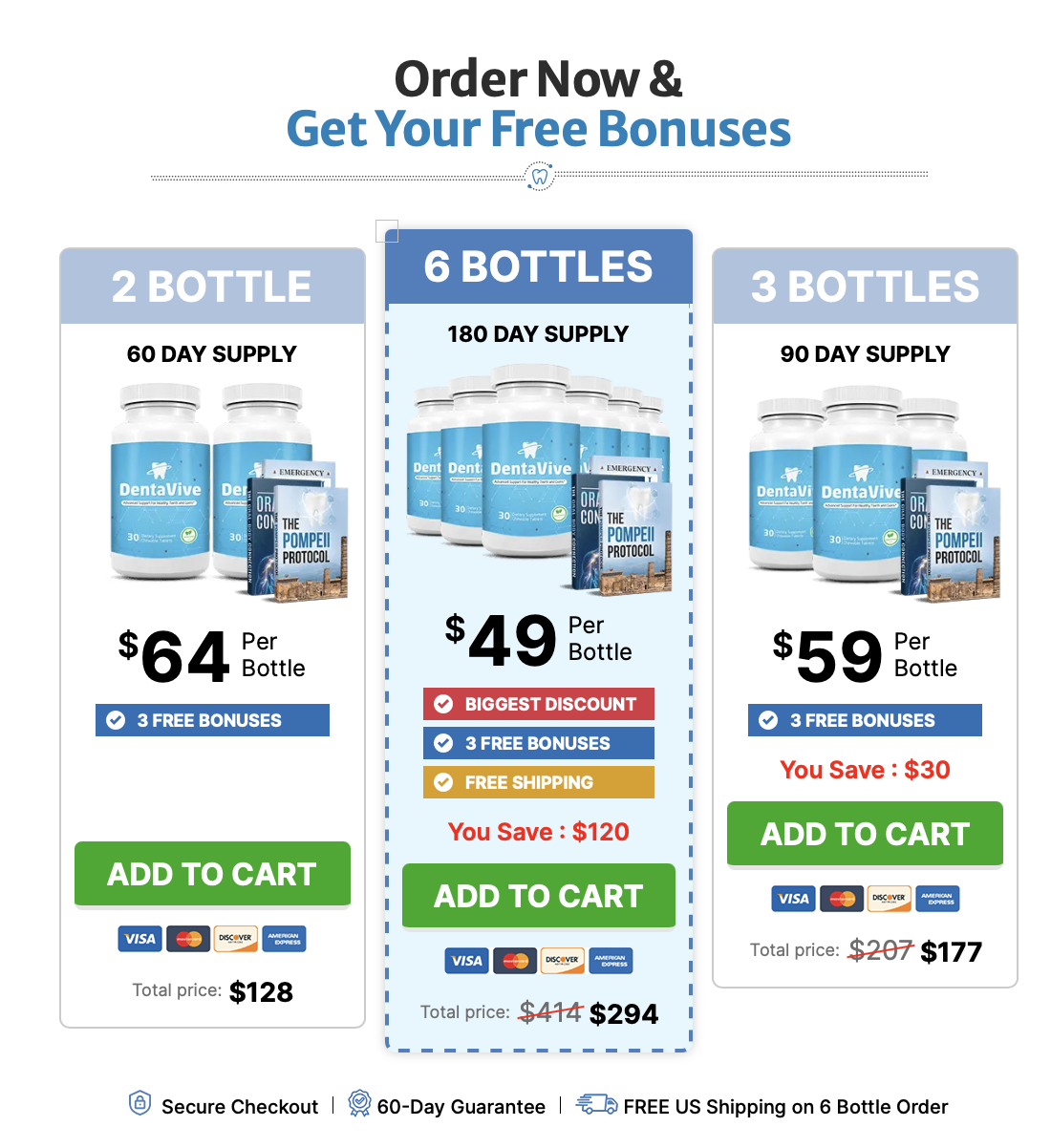
Images are illustrative of the archived promotion only. Check actual package availability and current terms with the seller ↗
Oral-Care Questions and Product Details
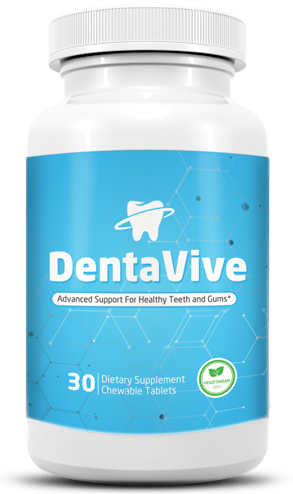
Visuals from the supplied DentaVive reference archive are provided for illustration, not as proof of clinical outcomes or current product specifications.

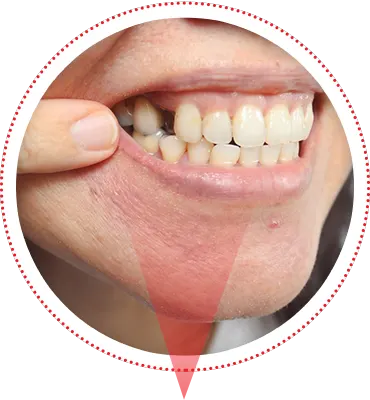
Quick answer: Early mineral loss on enamel can sometimes be remineralized, especially with established fluoride-based care, but “regrowing enamel” or repairing a cavity is a much stronger promise. A supplement ad should not use results about mouth bacteria to suggest that teeth rebuild missing enamel. Ask what was measured, in whom, and whether the marketed product was actually tested. Pain, visible damage or sensitivity warrant dental advice. [S4][S5]
1. Four phrases that are easy to confuse
Remineralization describes restoring minerals to early affected enamel; this does not mean growing an entirely new layer of tooth. Cavity prevention describes lowering the likelihood of decay. Repair is a vague advertising word unless the marketer specifies the change measured. Regrowth implies replacement of missing tooth structure, a claim requiring extraordinary product-specific clinical evidence.
Enamel is the hard outside layer of a tooth. Acids produced in the dental-plaque environment can remove minerals from it. Early changes may be reversible under favorable conditions; damage that has developed into a physical cavity generally needs a dental professional's assessment and appropriate treatment. A product may be advertised using the word “repair” while evidence addresses only a laboratory mineral measurement.
Before buying, translate the seller's statement into a measurable endpoint: Was new enamel structure demonstrated? Was mineral density measured? Was a visible cavity filled or restored? Or did a laboratory test simply show a change in bacterial growth? Those are not interchangeable findings.
2. What has a clearer evidence base
The American Dental Association describes fluoride's role in strengthening enamel, preventing cavities and promoting remineralization during early decay. Toothpaste with an accepted anticaries claim uses fluoride, and brushing remains part of routine prevention. A professional can recommend other treatments depending on a person's individual risk. [S4][S5]
This comparison does not mean that every enamel concern has a simple home treatment. Sensitivity, chips, staining and cavities have different causes. Someone with pain or a visibly damaged tooth needs a proper diagnosis instead of an online supplement comparison. A dentist can explain whether the finding concerns early demineralization, erosion, a restoration or another problem.
A supplement might be discussed as part of a larger oral-wellness routine, but that does not make it equivalent to a topical anticaries product. Do not stop fluoride toothpaste or recommended dental treatment because a supplement advertisement invokes probiotics.
3. Why oral-bacteria findings cannot prove enamel restoration
Studies of oral probiotics sometimes count organisms such as Streptococcus mutans in saliva. Other studies assess plaque, clinical tooth-decay outcomes or related measures. The 2023 systematic review of 12 human studies describes heterogeneous effects and notes that decreased salivary bacteria are not directly equivalent to fewer cavities. Some interventions found no clear difference in actual caries outcomes. [S2]
This is a critical marketing distinction. A seller cannot logically jump from “certain microorganisms changed in a short study” to “this product regrows enamel.” There are multiple steps between a microbial marker, dental mineral change and a meaningful improvement in tooth health. Each step would need evidence; ideally the same formulation, dose and intended users would be studied under relevant conditions.
If a site lists an ingredient without naming its tested strain or providing a source, the conclusion should be even more cautious. Research on another organism—or a product with different ingredients—does not substantiate the bottle in front of you.
4. Recognize overstatement before checkout
Phrases such as “fills cavities naturally,” “restores missing enamel overnight” or “permanently reverses all decay” should prompt skepticism. Another warning sign is a before-and-after image without clinical context: lighting, whitening, moisture and photography can affect appearance without measuring enamel structure.
Look beyond star ratings. Testimonials can describe individual experiences, but they do not establish that enamel was restored. Claims that sound like diagnosis or treatment should not be treated as verified merely because they appear near an official-looking badge or package picture.
5. The five-level enamel-claim evidence ladder
| Level | Evidence supplied | What it can establish |
|---|---|---|
| 1 | Slogan or testimonial | A claim, not proof |
| 2 | Theoretical mechanism | Scientific plausibility only |
| 3 | Laboratory mineral or bacterial measurement | A specific measured lab effect |
| 4 | Controlled human dental outcome | Evidence for that intervention and endpoint |
| 5 | Same finished product tested, clinically relevant result | Stronger relevance to the product being sold |
A buyer should ask which level the advertisement reaches and whether the result is appropriately described. Level 5 still calls for review of sample size, study quality, duration, independent replication and any contradictory findings. It is not a blanket guarantee.
Important: This supplied offer image shows historical advertised prices, savings, bonuses, shipping and guarantee claims that have not been verified for the current seller. These details are not a current offer. Check the live checkout before ordering.
Images are illustrative of the archived promotion only. Check actual package availability and current terms with the seller ↗
6. A shopper's worksheet for an enamel-repair claim
Write the headline in one column. In another, identify the actual study outcome. In a third, record the formulation and route of use. Finally, note the missing evidence. For example, a fictional supplement promises “rebuild your teeth,” while its citation reports that one bacterial strain lowered a saliva marker in children. That evidence does not demonstrate enamel regrowth in adult buyers, much less support a different branded formulation.
If you find a human study, inspect whether participants also used fluoride toothpaste, received professional cleaning or underwent other preventive care. A benefit attributed to a supplement could instead be linked to background care or a combination of interventions. A carefully designed control group matters.
7. Make the dental decision before the purchasing decision
If you have sensitivity, visible holes, chipping or new pain, seek dental guidance first. Ask whether your situation involves enamel erosion, an early reversible lesion or established decay. Once you understand the problem, you can compare what proposed products actually address. Choosing an unrelated supplement because it advertises “enamel repair” may cost money without addressing the cause.
For routine preventive care, continue established practices and ask your dental professional which options suit your risk profile. An advertising statement should never substitute for a diagnosis.
Frequently asked questions
Can early mineral loss improve? Under suitable conditions, early enamel remineralization is possible; the ADA describes fluoride's established contribution. That is different from regrowing lost tooth structure. [S5]
Do oral probiotics prevent cavities? The evidence varies by strain, study and endpoint; the attached review cautions against broad conclusions. [S2]
Does DentaVive repair enamel? The current evidence available for this draft does not substantiate that finished-product claim. Do not infer it from research on different probiotics.
What this means when considering DentaVive
DentaVive can be one of the products a reader encounters while researching oral-care supplements. Its inclusion here is not evidence that its finished formulation achieves the outcomes discussed. We have not independently authenticated a current Supplement Facts panel, strain-level formula, batch test, price, guarantee or seller identity for this draft. Compare any current offer and directions with the actual merchant's checkout and product label before deciding. Neither the research references nor the approved affiliate link supplies those missing confirmations.
Independent-publisher disclosure: If a reader purchases through a link on this site, we may receive a commission. That commercial relationship does not turn this page into an official manufacturer statement or professional dental advice.
Related reading
Sources for editorial checking
- [S4] American Dental Association, Toothpastes (updated 2026): https://www.ada.org/resources/ada-library/oral-health-topics/toothpastes
- [S5] ADA, Fluoride: Topical and Systemic Supplements: https://www.ada.org/resources/ada-library/oral-health-topics/fluoride-topical-and-systemic-supplements
- [S2] Inchingolo et al., 2023 systematic review: https://doi.org/10.3390/ph16091313
Purchase-image placement instructions — not part of editorial claims
- Immediately after the hero: insert the exact approved three-package CTA artwork, with the approved affiliate URL. A visible notice must explain that prices, discounts, bonuses, shipping and guarantees shown in the historical image are not verified as current. No publication until those representations are authenticated or corrected.
- Repeat the same image and conspicuous notice at the middle buying-decision transition and near the final buying consideration. Use the approved upper-half supporting-image portfolio and reference-matched styling during the later HTML gate.
- Affiliate disclosure next to the CTA: We may earn a commission if you purchase after using our link. We are an independent information publisher, not the merchant.
- The exact approved destination is:
https://6c472sjwdsar8re8hi-45ha48l.hop.clickbank.net/?cbpage=e-comm. - Draft remains
noindex,followuntil the publication gate. Do not imply any image proves product efficacy or offer availability.
Important: This supplied offer image shows historical advertised prices, savings, bonuses, shipping and guarantee claims that have not been verified for the current seller. These details are not a current offer. Check the live checkout before ordering.
Images are illustrative of the archived promotion only. Check actual package availability and current terms with the seller ↗