Bad Breath That Keeps Returning: What to Check Before Buying Supplements
Understand morning-only breath odor, track when it returns, improve your daily routine and recognize when a dentist should check persistent symptoms.
Independent affiliate publisher. Product claims and historical offer terms remain subject to verification.
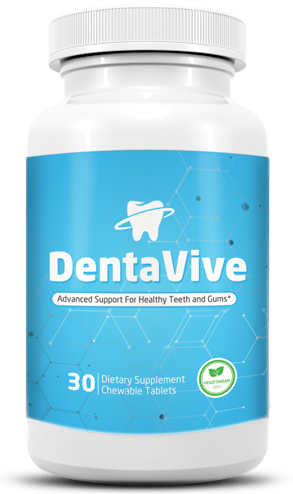
Important: This supplied offer image shows historical advertised prices, savings, bonuses, shipping and guarantee claims that have not been verified for the current seller. These details are not a current offer. Check the live checkout before ordering.

Images are illustrative of the archived promotion only. Check actual package availability and current terms with the seller ↗
Oral-Care Questions and Product Details
Visuals from the supplied DentaVive reference archive are provided for illustration, not as proof of clinical outcomes or current product specifications.

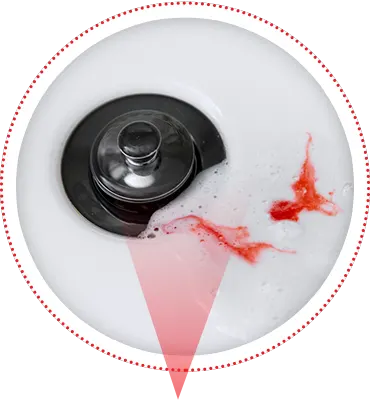

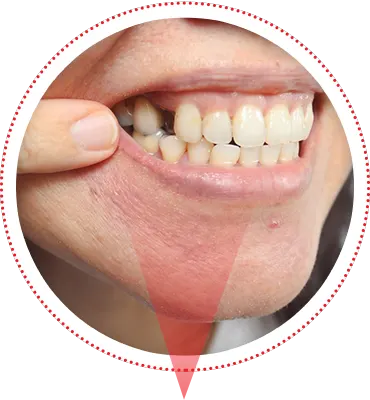
1. The difference starts with the pattern, not the smell
Breath that seems unpleasant immediately after waking is a different practical question from breath odor that remains noticeable through the day. Many people notice a stale taste or odor before eating, drinking or brushing their teeth. A pattern that resolves with breakfast, hydration and normal cleaning may call for routine adjustments; odor that returns repeatedly despite appropriate cleaning deserves closer attention. Neither pattern, by itself, diagnoses a condition.
Try answering three questions before buying anything: When do you first notice the odor? Does it improve after cleaning the teeth, tongue and spaces between teeth? Is it accompanied by pain, bleeding, swelling, an unusually dry mouth or problems with dentures? The answers can organize a useful conversation with a dentist. They cannot tell you which bacteria or underlying medical issue is responsible.
There is also a limit to self-assessment: people may become used to their own breath or may worry about odor that others do not notice. Avoid treating a single sensation, an online test or a product advertisement as proof of a dental problem. The NHS bad-breath guide emphasizes oral cleanliness, possible underlying causes and circumstances warranting dental care.
2. Why mornings can feel different
Saliva helps lubricate the mouth and clears material from oral surfaces. Saliva flow normally varies throughout the day, and dryness can be more noticeable while sleeping. Mouth breathing, dehydration, certain medicines and nasal congestion may also affect how dry your mouth feels when you wake. The American Dental Association's xerostomia overview explains the relevance of saliva to oral health.
Morning odor is not necessarily caused by a single ingredient deficiency or one named microbe. Food residue, tongue coating, gum health, smoking, diet and dry-mouth symptoms can all matter. A mint may temporarily change how the mouth tastes without resolving those issues. Likewise, waking with a dry mouth is not proof that a probiotic supplement will help.
For some people, the most useful improvement is straightforward: a more thorough nighttime brushing and interdental routine; for others, the pattern warrants evaluation of a denture, an uncomfortable gum area or a medication-related dryness concern. Choose the next step based on observations rather than assumptions.
3. A seven-day breath-pattern diary
Use this worksheet for seven days if your symptoms are mild and there are no concerning signs. It is a record to discuss with a professional, not a diagnostic score.
| Record | What to write down | Why it matters |
|---|---|---|
| On waking | Noticeable odor or unpleasant taste? | Establishes the morning pattern |
| After brushing | Better, unchanged or quickly returning? | Shows the short-term effect of cleaning |
| Midday/evening | Present, absent or uncertain? | Distinguishes waking-only from persistent concern |
| Dryness | Dry lips, sticky mouth or mouth breathing? | Flags a possible separate dryness issue |
| Exposures | Tobacco, alcohol, coffee, garlic or fasting? | Records plausible contributors |
| Other signs | Sore tooth, bleeding gums, loose teeth or denture irritation? | May call for dental assessment |
Write down routines too: twice-daily brushing, whether you cleaned between teeth, tongue care, hydration and denture hygiene. Do not repeatedly solicit reassurance or spend the day testing your breath. The goal is a concise pattern, not constant monitoring. If symptoms are worsening, skip the diary and seek appropriate care.
4. Start with ordinary oral care
The NHS recommends brushing teeth and gums gently for two minutes twice daily with fluoride toothpaste, cleaning between teeth each day, cleaning the tongue gently and attending regular dental check-ups. It also advises keeping dentures clean and removing them at night. These are practical starting points regardless of whether someone eventually considers a supplement. Excessively aggressive tongue scraping or brushing until gums bleed is not an upgrade.
For occasional odor associated with particular meals, sugar-free gum or mints may offer a short-term convenience. Hydration can be useful when the mouth is dry. If mouthwash is part of your routine, remember that products vary and a pleasant flavor is not evidence that a persistent source of odor has been resolved. See our mouthwash-versus-supplement guide for the distinct product-choice question.
5. When to move from self-care to dental assessment
Important: This supplied offer image shows historical advertised prices, savings, bonuses, shipping and guarantee claims that have not been verified for the current seller. These details are not a current offer. Check the live checkout before ordering.
Images are illustrative of the archived promotion only. Check actual package availability and current terms with the seller ↗
Consult a dentist when bad breath persists despite sensible self-care for a few weeks or when there are painful, swollen or bleeding gums, toothache, loose adult teeth or denture problems. Those signs may reflect problems that need examination rather than a new consumer product. The NHS expressly identifies these reasons to seek dental review.
A clinician may also consider dry mouth, medication effects or other causes when appropriate. If a symptom is severe, rapidly worsening, accompanied by significant swelling or difficulty breathing or swallowing, seek urgent medical care instead of following a supplement-buying checklist. This page cannot establish whether bad breath arises from teeth, gums, throat, diet or a systemic condition.
6. Where oral probiotics fit—and where they do not
Research into oral probiotics is a legitimate area of study, but the results are not a universal bad-breath fix. Inchingolo and colleagues' 2023 systematic review selected twelve human studies across multiple oral-health conditions. The interventions used different organisms, formats and durations, and the review cautioned that evidence for broad dental applications remains limited. Some studies recorded improvement in measures related to halitosis, yet that finding cannot be transferred automatically to every formula.
An important buying distinction follows: a published study of Weissella cibaria or another defined strain does not prove that DentaVive contains that same strain at a comparable dose or that the finished DentaVive product improves breath. The current authenticated label and independent finished-product evidence have not been established in this project. Avoid sellers offering guaranteed cures or fixed time-to-results claims.
Before any optional purchase, check the actual product label, responsible merchant, directions, warnings and total terms. A supplement should never delay dental treatment. For a more focused analysis of result windows, read how long oral probiotics are studied.
7. Decision card: what should you do next?
| Your observation | Sensible next step |
|---|---|
| Only on waking, improves after routine | Review nighttime cleaning, hydration and dryness contributors |
| Comes back daily despite cleaning | Book a dental assessment; bring brief symptom notes |
| Dry, sticky mouth especially at night | Review our dry-mouth and breath-odor guide and discuss persistent dryness with a professional |
| Bleeding gums, dental pain or denture issues | Prioritize a dentist over supplement shopping |
| Considering a supplement | Verify label, evidence, seller and offer; do not expect guaranteed results |
FAQ — Can ordinary morning breath be normal? It is common to notice morning odor, but its presence alone cannot establish a cause. Check whether the pattern persists after routine care.
FAQ — Does mouthwash identify the cause? No. A short-lived improvement in odor or taste does not diagnose the source.
FAQ — Will DentaVive remove persistent bad breath? The available sources do not establish that outcome for the finished product. Claims should be assessed against authenticated formulation information and product-specific evidence.
Bottom line: Distinguish when odor occurs, carry out ordinary cleaning consistently and seek dental review when it persists or accompanies other symptoms. Buying an oral-health supplement is a separate, optional decision—not a substitute for understanding the problem.
Sources
- NHS: Bad breath
- American Dental Association: Xerostomia
- Inchingolo et al., Pharmaceuticals (2023), doi:10.3390/ph16091313
Important: This supplied offer image shows historical advertised prices, savings, bonuses, shipping and guarantee claims that have not been verified for the current seller. These details are not a current offer. Check the live checkout before ordering.
Images are illustrative of the archived promotion only. Check actual package availability and current terms with the seller ↗