Oral Probiotics in Seven Days: What Would Count as Proof?
Learn how to assess seven-day oral-probiotic claims, short trials, measured outcomes and product-specific evidence without relying on guaranteed results.
Independent consumer guidance; source-backed claims and current offer verification required.
Important: This supplied offer image shows historical advertised prices, savings, bonuses, shipping and guarantee claims that have not been verified for the current seller. These details are not a current offer. Check the live checkout before ordering.
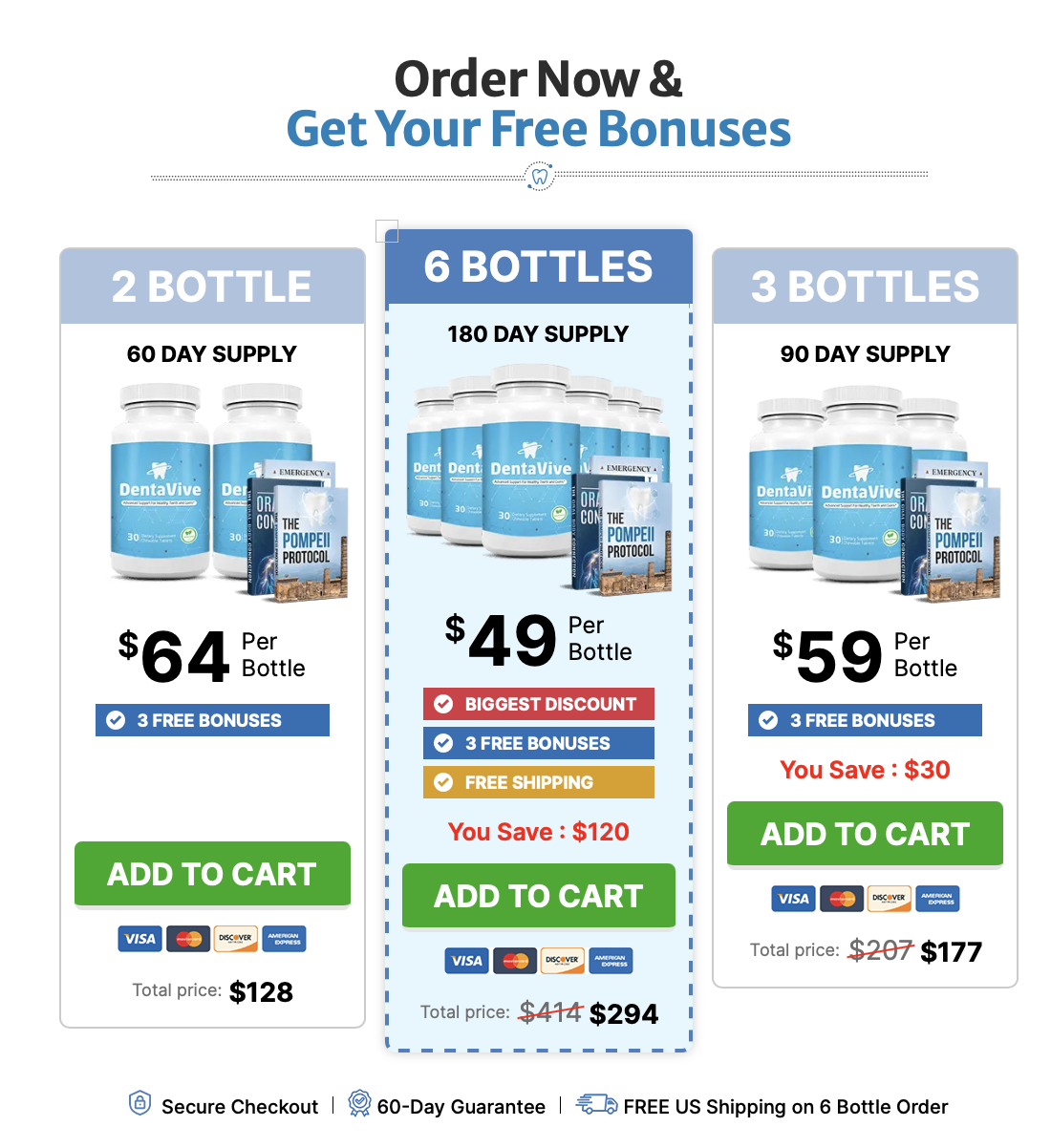
Images are illustrative of the archived promotion only. Check actual package availability and current terms with the seller ↗
Oral-Care Questions and Product Details
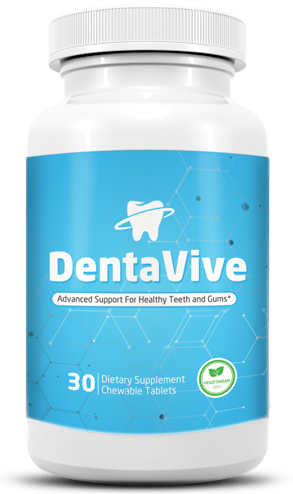
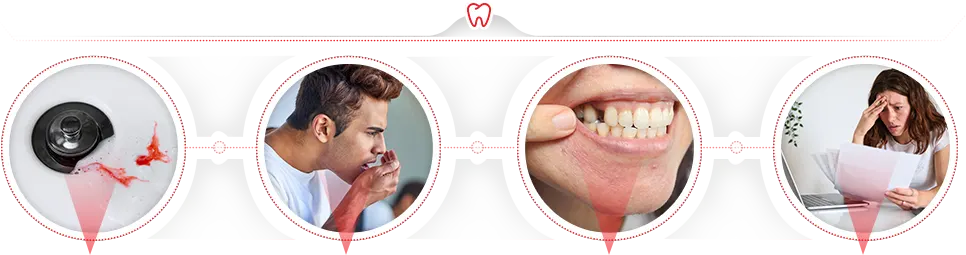
Visuals from the supplied DentaVive reference archive are provided for illustration, not as proof of clinical outcomes or current product specifications.
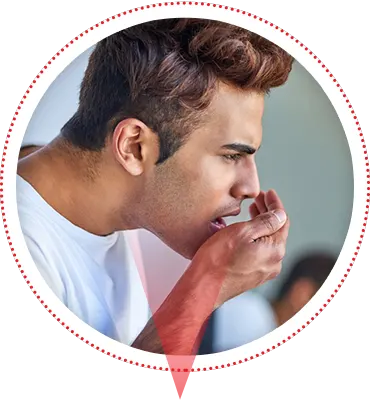
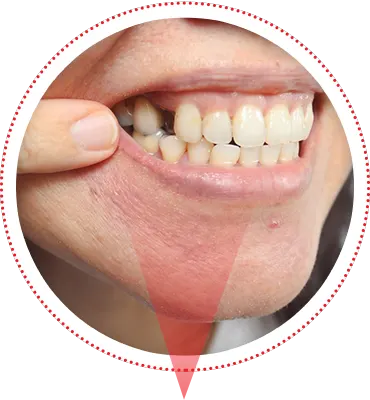
SEO title: Oral Probiotic Results in 7 Days? Check What Studies Measured
Meta description: Learn how to assess seven-day oral-probiotic claims, short trials, measured outcomes and product-specific evidence without relying on guaranteed results.
Canonical (planned): https://en-denttavive.com/benefits-in-7-days-claims/
Primary SEO intent: Oral probiotics results seven days. Secondary brand layer: DentaVive benefit timing claims, only if documented.
A promise that an oral supplement will give you a noticeably fresher mouth in seven days is easy to remember. It is also a precise advertising claim: a particular product is expected to produce a particular effect within a specified deadline. To justify that claim, evidence must test the relevant product, appropriate users, the exact outcome and the seven-day time point. A study lasting several weeks is not automatically evidence for a guaranteed Day 7 result.
That distinction matters for a buyer trying to make a sensible decision. The clinical oral-probiotic literature includes different strains, doses, delivery formats, populations and outcome measures. Published findings about one intervention cannot be reassigned to DentaVive without evidence that the marketed finished product produces the represented benefit. This page is an advertising-claim checklist, not a prediction of when a person will feel a result.
Translate the promise into a research question
Start by writing the precise claim without vague words: “Among adults with measured halitosis, the finished product reduces a prespecified breath-odor score by a defined amount within seven days compared with a suitable control.” That is more testable than “fresh breath in a week.” It also reveals the missing details in most simple sales statements.
Ask whether the participants had diagnosed malodor or only general interest in oral wellness; whether they used the same product offered now; whether the dose and directions match; how a baseline was recorded; and whether another oral-care intervention changed at the same time. These are not academic technicalities. They determine whether a reported observation can fairly support an advertisement to the intended customer.
Seven days versus a longer study
A study may measure bacterial counts after one week without measuring breath, gum symptoms or future cavities. Another may follow self-reported odor after eight weeks. A third may report a difference at four weeks but no prespecified Day 7 result. None becomes proof of a seven-day outcome simply because the paper contains a favorable finding somewhere in its results section.
The 2023 oral-health systematic review compiled 12 human studies involving outcomes such as salivary bacteria, periodontal measures and halitosis. Its included trials used different durations and interventions, and the authors stressed limitations to broad clinical application. [S2] For example, research involving children's salivary bacterial levels following a short exposure does not establish that a marketed adult oral supplement delivers improved breath in seven days.
The 2022 halitosis meta-analysis grouped results into four weeks or less and more than four weeks. Its short-term findings therefore describe a time band extending through four weeks, not specifically a controlled seven-day guarantee. The analysis included seven articles and noted heterogeneity and limited evidence. [S3] A marketer cannot convert the phrase “short-term improvement” into “works in one week for everybody.”
The six-step seven-day claim audit
1. Identify the promised benefit. Is it subjective freshness, clinician-rated odor, VSC levels, gingival bleeding, or a change in bacterial abundance? One is not interchangeable with another.
2. Verify the intervention. Is the actual finished product named, and is its formula authenticated? Strain-specific work may be scientifically interesting but is not automatically transferable to another formulation.
3. Check the control. A placebo or suitable comparison helps distinguish the intervention effect from expectations, daily oral-care changes and natural fluctuations.
4. Locate the Day 7 measurement. Search the methods and results for the actual sampling time. Merely studying a product for seven days is not enough if the promised health outcome was never assessed.
5. Review statistical and practical significance. Was the outcome prespecified, sufficiently measured and meaningful to a typical consumer? Were confidence intervals and limitations available? A tiny laboratory difference may not translate into noticeable breath changes.
6. Examine safety and persistence. A seven-day result says nothing by itself about longer-term benefit, adverse effects, or a sustainable change after stopping an intervention.
| Marketing statement | Question the evidence must answer |
|---|---|
| “Noticeably fresher in seven days” | Who noticed, with what validated measure, on Day 7? |
| “Clinically proven fast” | Which clinical trial tested the exact current product? |
| “Reduces harmful bacteria” | Which organism, where, and is this a meaningful patient outcome? |
| “Works for everyone” | Did the study support a universal result rather than an average? |
| “Guaranteed gums and breath” | What separate clinical endpoints support each promise? |
Important: This supplied offer image shows historical advertised prices, savings, bonuses, shipping and guarantee claims that have not been verified for the current seller. These details are not a current offer. Check the live checkout before ordering.
Images are illustrative of the archived promotion only. Check actual package availability and current terms with the seller ↗
Why marketing clocks are often misleading
A countdown date can create urgency around a purchase even when health outcomes have not been shown on that schedule. Day-to-day changes in food, water intake, tongue cleaning, sleep, medication and oral hygiene may alter personal breath perceptions. Without a properly designed comparison, a user cannot confidently assign a change to one purchased supplement.
FTC health-product guidance explains that marketers need competent and reliable scientific evidence for the health claims they communicate, including implied claims about the timing and typicality of results. [S1] The phrase “results may vary” does not automatically neutralize a prominent and unsupported seven-day promise. Appropriate qualifications must not contradict what the main graphic or headline tells the reader.
What the DentaVive evidence currently permits
The research assembled for this project does not authenticate a finished-product trial establishing a DentaVive benefit within seven days. It also does not verify that the present product contains the same live strains and amounts as any cited trial. Descriptions of general oral-probiotic research must therefore be framed as research on specified interventions, not a forecast of what DentaVive buyers will experience.
This page owns the credibility of a numerical seven-day promise. The site's separate oral-probiotic timelines guide owns broader study-duration comparisons, while the breath-measurements guide explains what outcome a breath study actually assessed. The distinction helps readers avoid mistaking a timeline for a clinical guarantee.
A safer purchase decision
Write down the actual outcome you hope to see. Check whether persistent bad breath, bleeding gums, pain or dry mouth warrants professional evaluation. Read the label and the seller's terms, and do not buy a larger package solely because an advertised results deadline or offer countdown creates pressure. The correct evidence-based decision may be to seek more information instead of making a purchase.
A meaningful question to send a seller is: “Can you provide a published controlled human study of this exact formulation showing this specific outcome at Day 7?” If no suitable study exists, treat the seven-day statement as unsubstantiated rather than filling the gap with testimonials or loosely related ingredient research.
Frequently asked questions
Can an oral-health marker change in seven days? Some studies measure short-term markers; that does not prove a specific branded health benefit within the same period.
Do four-week results prove seven-day results? No. A four-week endpoint cannot be assumed to have occurred on Day 7.
Does a positive seven-day personal experience prove causality? No. Other changing factors and expectation effects remain possible.
Is DentaVive proven to deliver results in one week? No authenticated finished-product evidence establishing that claim is available in this project.
References
[S1] FTC, Health Products Compliance Guidance: https://www.ftc.gov/business-guidance/resources/health-products-compliance-guidance.
[S2] Inchingolo et al. (2023), oral-probiotic systematic review: https://doi.org/10.3390/ph16091313.
[S3] Huang et al. (2022), probiotic halitosis meta-analysis: https://pubmed.ncbi.nlm.nih.gov/36600415/.
Editorial and purchase disclosures
Affiliate relationship: This website is an independent affiliate publisher. A qualifying purchase through a product link may generate a commission. The checkout merchant—not this publisher—sets the sale price, shipping, payment, cancellation, return, and guarantee conditions. A commission does not establish medical efficacy or the fairness of an offer.
Product-specific evidence boundary: Research involving probiotic strains, other supplements, or generic oral-care interventions does not establish clinical effects for the finished DentaVive product. Check the actual label and merchant documentation. This information does not replace personalized dental or medical advice.
Publication verification: The approved package-comparison image contains historical price, discount, bonus, delivery, and guarantee representations that have not been authenticated as current. Do not publish its three placements until the claims embedded in the graphic are verified or the creative is replaced with an approved accurate equivalent.
Important: This supplied offer image shows historical advertised prices, savings, bonuses, shipping and guarantee claims that have not been verified for the current seller. These details are not a current offer. Check the live checkout before ordering.
Images are illustrative of the archived promotion only. Check actual package availability and current terms with the seller ↗