Breath Tests vs Feeling Fresher: Three Different Outcomes
Understand the difference between volatile sulfur compound readings, clinician-rated odor and subjective freshness before assessing oral-probiotic claims.
Independent consumer guidance; source-backed claims and current offer verification required.
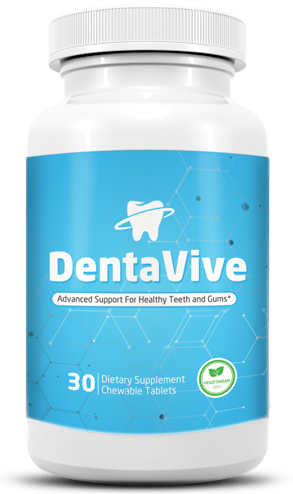
Important: This supplied offer image shows historical advertised prices, savings, bonuses, shipping and guarantee claims that have not been verified for the current seller. These details are not a current offer. Check the live checkout before ordering.

Images are illustrative of the archived promotion only. Check actual package availability and current terms with the seller ↗
Oral-Care Questions and Product Details
Visuals from the supplied DentaVive reference archive are provided for illustration, not as proof of clinical outcomes or current product specifications.
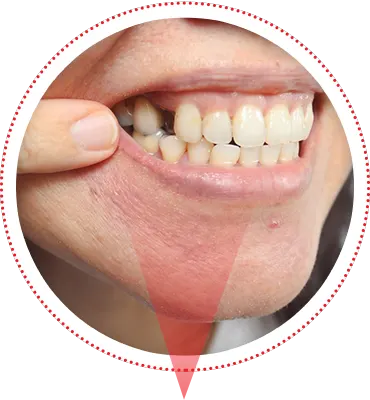
SEO title: Bad-Breath Tests: VSC Readings vs Self-Reported Freshness
Meta description: Understand the difference between volatile sulfur compound readings, clinician-rated odor and subjective freshness before assessing oral-probiotic claims.
Canonical (planned): https://en-denttavive.com/vsc-vs-self-reported-breath/
Primary SEO intent: Volatile sulfur compounds vs subjective bad breath. Secondary brand layer: Evidence context for DentaVive breath claims.
“Fresh breath” sounds like one result, but oral-health studies can measure very different things. A person can feel fresher, a trained assessor can rate the odor of exhaled air, or an instrument can measure selected volatile sulfur compounds (VSCs). These are related questions, not interchangeable tests. Understanding the difference is essential before accepting an advertisement that says a probiotic has been proven to eliminate bad breath.
This page explains how a shopper can read outcome names in research abstracts. It is not a do-it-yourself diagnosis and does not establish that DentaVive improves any clinical or instrument outcome. Persistent bad breath deserves appropriate oral-care and dental assessment, especially alongside pain, bleeding or swelling.
Outcome one: your own sense of freshness
A questionnaire may ask participants whether their breath seems better, how confident they feel in social situations, or whether a product is pleasant to use. These reports matter because daily discomfort and confidence affect real people. However, perception is influenced by expectations, taste, masking flavors, recent meals and whether someone believes they received an active intervention.
A person may be unable to reliably assess their own odor, and another person may notice a change the participant did not. If a study says “participants reported improvement,” that conclusion should remain about self-report. It should not silently become a claim that a measured source of halitosis disappeared, let alone that a gum or dental disease was cured.
Outcome two: a clinician-rated odor assessment
Organoleptic or oral-odor ratings use an assessor to score the smell of breath under a defined procedure. Compared with unstructured personal impressions, an appropriately standardized professional rating can offer a more consistent odor assessment. Yet the rating remains partly dependent on the protocol, assessor training, sample collection conditions and masking of treatment assignments.
When evaluating a paper, look for the scale definition, whether the raters were blinded, the baseline odor severity and how many participants completed follow-up. A change in an average score does not necessarily mean that every participant noticed a benefit. Ask what magnitude of change is considered meaningful in the studied context.
Outcome three: volatile sulfur compound measurement
Some oral malodor is associated with volatile sulfur compounds such as hydrogen sulfide and methyl mercaptan. Instruments may report total sulfur-related signals or quantify specific gases, depending on the device and procedure. VSC results can be informative, but they do not encompass every possible odorant or cause of bad breath. Different devices and sampling methods may not measure an identical set of compounds.
Avoid assuming that a lower number necessarily proves a lasting improvement in perceived breath. An instrument can detect a change in one set of chemicals while subjective or clinician-rated assessments remain different. Neither an inexpensive home detector nor a single measurement establishes why a person has odor or which treatment is appropriate.
| Outcome | What it asks | What it does not establish alone |
|---|---|---|
| Personal report | Do I notice a change? | Cause or independently measured odor reduction |
| Organoleptic rating | Does an assessor notice a change? | Cure of oral disease or lifelong benefit |
| VSC reading | Have selected sulfur gases changed? | Elimination of every odor source or product efficacy |
Why two research papers can report different conclusions
Trials differ in the people they enroll, starting symptom severity, probiotic species and strains, delivery form, comparison group, exposure duration, and follow-up timing. Studies may also ask participants to change tongue cleaning or oral hygiene, which makes the intervention context important. Without knowing the exact comparator and what else changed, the result should not be exported to another product.
A 2022 systematic review and meta-analysis of seven probiotic-halitosis articles compared organoleptic scores and VSCs. It reported short-term pooled improvements on both measures, while the longer-term analysis showed a significant difference for organoleptic scores but not the same broad pattern for VSCs. The authors warned that limited evidence and heterogeneity weakened the certainty of conclusions. [S3]
A 2025 systematic review focused on probiotic monotherapy in periodontally and systemically healthy adults and included six randomized trials with 360 participants. Several trials reported lower VSC values, fewer reported organoleptic improvement, and the authors noted variation and limited long-term follow-up. [S4] These reviews support an evidence discussion, not DentaVive-specific finished-product claims.
Important: This supplied offer image shows historical advertised prices, savings, bonuses, shipping and guarantee claims that have not been verified for the current seller. These details are not a current offer. Check the live checkout before ordering.
Images are illustrative of the archived promotion only. Check actual package availability and current terms with the seller ↗
How to read a halitosis results table
Start with participants: Were they healthy adults, people with diagnosed halitosis, or patients receiving periodontal care? Next confirm the intervention: exact strain or product, delivery format, dose and duration. Then inspect outcome type: odor rating, VSC, self-report, tongue-coating score, or plaque index.
Check comparator: placebo, conventional oral care, or another active treatment. Ask whether participants and assessors were masked, how many dropped out, and whether the paper prespecified its main endpoint. Finally, separate relative statistical change from a clinically important result. A P value is not a stand-in for how a person will feel or what a dentist will observe.
For an everyday guide to symptom patterns, see bad breath that keeps returning. The oral-probiotic timeline guide covers follow-up schedules rather than measurement type.
What the research does not say about DentaVive
The cited studies evaluate specified interventions. The evidence package does not include an authenticated DentaVive finished-product clinical study demonstrating a quantified reduction in VSCs, a verified organoleptic score change, or a guaranteed effect in every buyer. The product's current formula itself remains to be authenticated. Copy should therefore say what specific published interventions measured and explain why extrapolation is uncertain.
If marketing quotes a percentage drop in “bad breath,” ask whether that number came from self-reports, trained odor ratings or instrument values. Ask for the underlying paper and whether the exact product sold today was studied. A legitimate research citation should clarify these questions, not obscure them.
Frequently asked questions
Can a VSC meter diagnose the cause of my bad breath? Not by itself. It measures specified chemical signals, while clinical assessment considers other causes and findings.
Does feeling fresher prove a supplement treated oral bacteria? No. Self-report is a valuable personal measure, but not direct proof of a microbial mechanism.
Are organoleptic ratings useless because they involve a person? No. A defined, trained and blinded assessment can be useful; methods and limitations still matter.
Do the cited probiotic studies prove DentaVive helps? No. They evaluated other specific interventions, not the authenticated finished product.
References
[S2] Inchingolo et al. (2023), oral-probiotic systematic review: https://doi.org/10.3390/ph16091313.
[S3] Huang et al. (2022), halitosis probiotic meta-analysis: https://pubmed.ncbi.nlm.nih.gov/36600415/.
[S4] Passadakis et al. (2025), randomized-trial systematic review: https://pubmed.ncbi.nlm.nih.gov/40951721/.
Editorial and purchase disclosures
Affiliate relationship: This website is an independent affiliate publisher. A qualifying purchase through a product link may generate a commission. The checkout merchant—not this publisher—sets the sale price, shipping, payment, cancellation, return, and guarantee conditions. A commission does not establish medical efficacy or the fairness of an offer.
Product-specific evidence boundary: Research involving probiotic strains, other supplements, or generic oral-care interventions does not establish clinical effects for the finished DentaVive product. Check the actual label and merchant documentation. This information does not replace personalized dental or medical advice.
Publication verification: The approved package-comparison image contains historical price, discount, bonus, delivery, and guarantee representations that have not been authenticated as current. Do not publish its three placements until the claims embedded in the graphic are verified or the creative is replaced with an approved accurate equivalent.
Important: This supplied offer image shows historical advertised prices, savings, bonuses, shipping and guarantee claims that have not been verified for the current seller. These details are not a current offer. Check the live checkout before ordering.
Images are illustrative of the archived promotion only. Check actual package availability and current terms with the seller ↗